



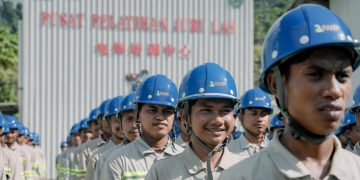










The Central Halmahera Government is taking a strategic step to expand its economic base by advancing the development of marine tourism across its small island clusters. In a recent virtual coordination meeting involving key ministries and PT Indonesia Weda Bay Industrial Park (IWIP), stakeholders discussed integrated approaches to unlock the region’s coastal and maritime potential while ensuring alignment with ongoing industrial expansion.
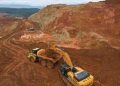
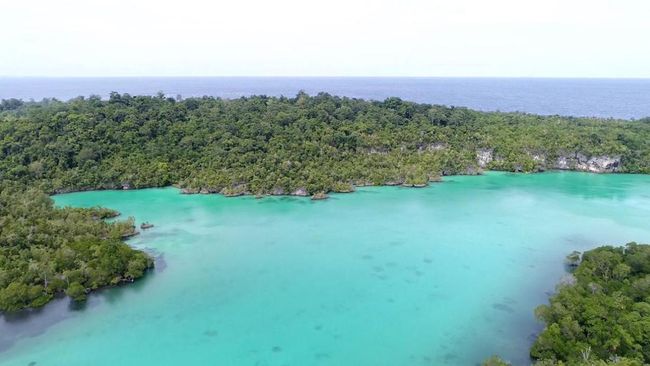
The initiative reflects a broader vision to balance the rapid growth of the nickel-based industrial sector with sustainable economic diversification. As one of Indonesia’s fastest-growing industrial hubs, Central Halmahera, driven in part by the presence of IWIP, has experienced significant transformation. The development of marine tourism is now being positioned as a complementary sector that can enhance regional resilience, create alternative income streams, and strengthen community participation in economic growth.
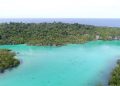
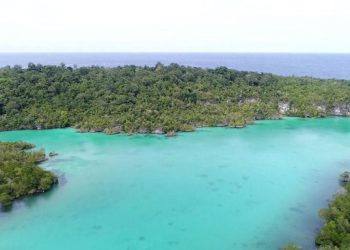
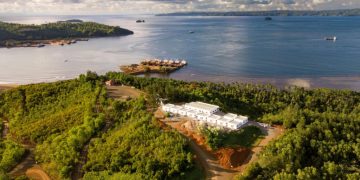
Several islands have been identified as priority development zones, including Mor, Sayafi, and Liwo. Each destination is being mapped with a distinct market positioning strategy. Mor Island, with its pristine marine ecosystem and high-end tourism appeal, is being prepared to attract international visitors and niche markets such as eco-tourism and diving enthusiasts. Meanwhile, Sayafi and Liwo Islands are expected to cater primarily to domestic tourists and regional travelers, offering accessible and community-based tourism experiences.
A key focus of the discussion centered on infrastructure readiness and connectivity. Stakeholders highlighted the importance of improving transportation access, including sea routes and supporting logistics, as well as ensuring the availability of basic infrastructure such as accommodation, clean water supply, and energy. The proximity of these islands to industrial zones presents a unique advantage, enabling the potential integration of business travel, leisure tourism, and industrial visits within a single regional ecosystem.
Regulatory clarity was also emphasized as a critical enabler for investment. Representatives from relevant ministries outlined the legal framework governing the management and utilization of small islands, including licensing procedures, environmental compliance requirements, and technical assessments. Ensuring a transparent and streamlined regulatory process is considered essential to attract credible investors while safeguarding environmental sustainability.
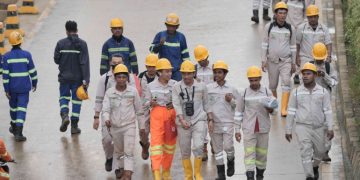
From an industry perspective, the involvement of IWIP underscores the growing role of industrial stakeholders in supporting regional development beyond core operations. As a major player in Indonesia’s nickel value chain, IWIP’s participation reflects a commitment to fostering inclusive growth and contributing to long-term socio-economic development in Central Halmahera. This includes supporting initiatives that create multiplier effects, particularly in sectors such as tourism, local entrepreneurship, and workforce development.
Importantly, sustainability remains at the core of the marine tourism agenda. Stakeholders stressed that development must adhere to environmental protection standards, preserve marine biodiversity, and empower local communities as key beneficiaries. Community-based tourism models, capacity-building programs, and the promotion of local culture are expected to play a central role in ensuring that economic benefits are distributed equitably.
Looking ahead, the Central Halmahera Government, in collaboration with ministries and IWIP, plans to advance the initiative through detailed planning, feasibility studies, and the preparation of investment-ready projects. Further coordination will focus on aligning spatial planning, infrastructure development, and investment frameworks to ensure that marine tourism can grow in a structured and sustainable manner.
As Central Halmahera continues to strengthen its position as a global nickel hub, the parallel development of marine tourism signals a forward-looking approach to regional development, one that integrates industry, environment, and community to build a more diversified and resilient economy.