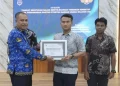

















Jakarta, January 26, 2026 — PT Weda Bay Nickel (WBN) has reaffirmed its commitment to responsible mining practices by successfully completing its Watershed (Daerah Aliran Sungai/DAS) Rehabilitation obligations across North Maluku Province, Indonesia. The total rehabilitated area reached 4,140 hectares and has been officially declared successful by Indonesia’s Ministry of Forestry through the Directorate General of Watershed Management and Forest Rehabilitation (PDASRH).

Based on a comprehensive evaluation conducted by the Directorate General of PDASRH, all phases of the watershed rehabilitation program implemented by Weda Bay Nickel met the success indicators stipulated under Minister of Environment and Forestry Regulation No. 23 of 2021. The program recorded a plant survival rate of at least 95.16 percent of the initial planting, with the assessment accepted without additional remarks.
“This watershed rehabilitation program is not merely about fulfilling regulatory requirements, but rather an integral part of our long-term vision to ensure mining operations are carried out in harmony with ecosystem restoration,” said Marudut Hutabalian, Forestry Permitting Supervisor of PT Weda Bay Nickel, in a statement in Jakarta.
As a holder of the Forest Area Utilization Approval (PPKH), Weda Bay Nickel has been implementing its watershed rehabilitation obligations since 2020. The rehabilitation activities were carried out in stages across five regencies in North Maluku, namely Central Halmahera, West Halmahera, East Halmahera, South Halmahera, and North Halmahera.
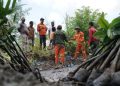
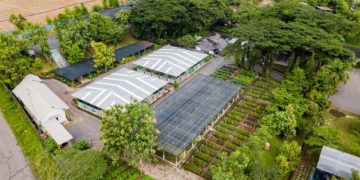
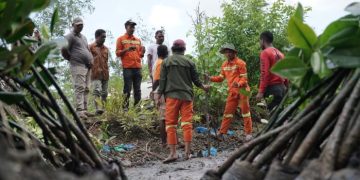
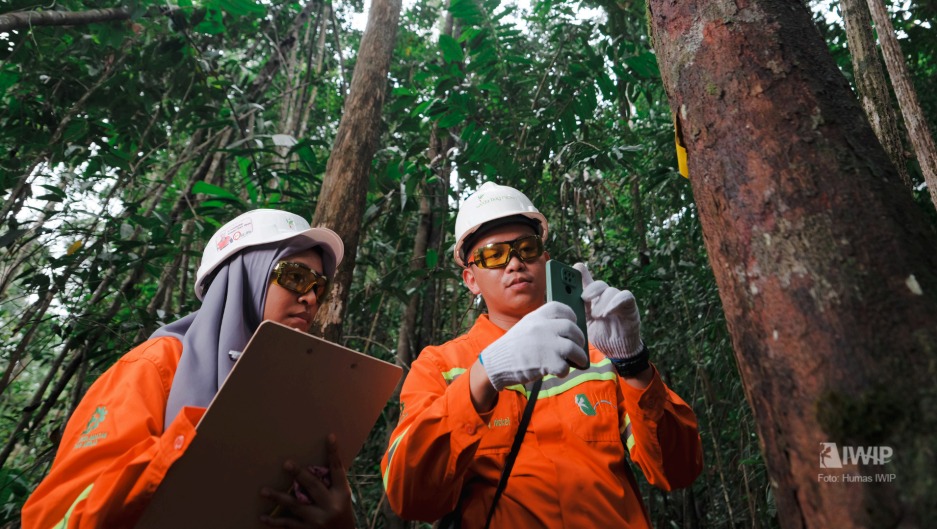
Marudut explained that the rehabilitation process was conducted comprehensively, beginning with land inventory and technical planning, followed by planting activities, and continued with first- and second-year maintenance, including replanting, weed control, and fertilization.
The rehabilitation program was implemented through several phases. Phase 1 (2020) covered 1,075 hectares in Central Halmahera. Phase 2 (2022) rehabilitated 866 hectares across West and East Halmahera. Phase 3 (2024) covered 930 hectares in West Halmahera, followed by Phase 4 (2024) involving 349 hectares in South Halmahera. The final Phase 5 (2025) rehabilitated 920 hectares in North Halmahera.
In executing the program, Weda Bay Nickel planted a combination of forest timber species and Non-Timber Forest Products (NTFPs). Timber species included Nyatoh, Matoa, Gofasa, Gosale, Bintangur, Gmelina, Sengon Laut, and Trembesi. Meanwhile, NTFP species comprised productive plants such as nutmeg, durian, candlenut, cashew, duku, and rambutan.
“The selection of NTFP species such as nutmeg and durian is intended to ensure that local communities can gain long-term economic benefits from forest products in the future,” Marudut added.
With the completion of its watershed rehabilitation obligations, Weda Bay Nickel expects the hydrological and ecological functions of watersheds in North Maluku to be restored optimally, while also supporting Indonesia’s national climate change mitigation efforts through natural carbon sequestration.