




















Indonesia’s mining industry has sounded the alarm over potential negative consequences following government plans to cut production quotas for both nickel and coal under the 2026 Work Plan and Budget (RKAB). Industry groups warn that the policy could affect investment, operations, and economic activity in mining regions.

Industry Concerns on Nickel Quota Reductions
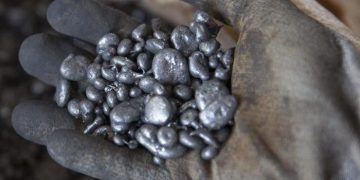
The Indonesian Mining Association (API–IMA) highlighted that lowering the nickel production quota — set for 2026 at around 250–260 million tonnes, significantly lower than the 379 million tonnes allocated last year — may disrupt companies’ long-term planning and investment strategies. According to API–IMA Executive Director Sari Esayanti, the cuts could undermine operational certainty, complicate existing sales contracts, and have broader socioeconomic impacts, including potential effects on employment and regional government revenues. The association has urged the government to re-evaluate the quota reduction and involve industry stakeholders in the decision-making process.
Potential Downstream and Regional Effects
Esayanti also warned that tighter nickel output could reduce the availability of raw materials for downstream industries within Indonesia, potentially hindering domestic supply chains and processing sectors that depend on consistent ore flows.
Coal Sector Pushback
Similarly, the Indonesian Coal Mining Association (APBI-ICMA) has expressed concern over significant reductions in coal production quotas. For 2026, the coal quota was set at approximately 600 million tonnes, down sharply from the 790 million tonnes produced in 2025. APBI-ICMA Executive Director Gita Mahyarani stressed that abrupt quota reductions — in some cases between 40% and 70% for individual companies — could undermine business viability, with quotas falling below previously approved three-year RKAB plans.
ICMA has called for clearer criteria and better communication with mining companies, warning that steep cuts risk pushing output below economically sustainable levels and threaten continuity for coal producers.
Broader Economic Risks
Both industry associations cautioned that the cuts could have ripple effects beyond the mines themselves, potentially impacting regional economies, employment, and related services that depend on mining activity — including logistics, contractors, and supply chains.