











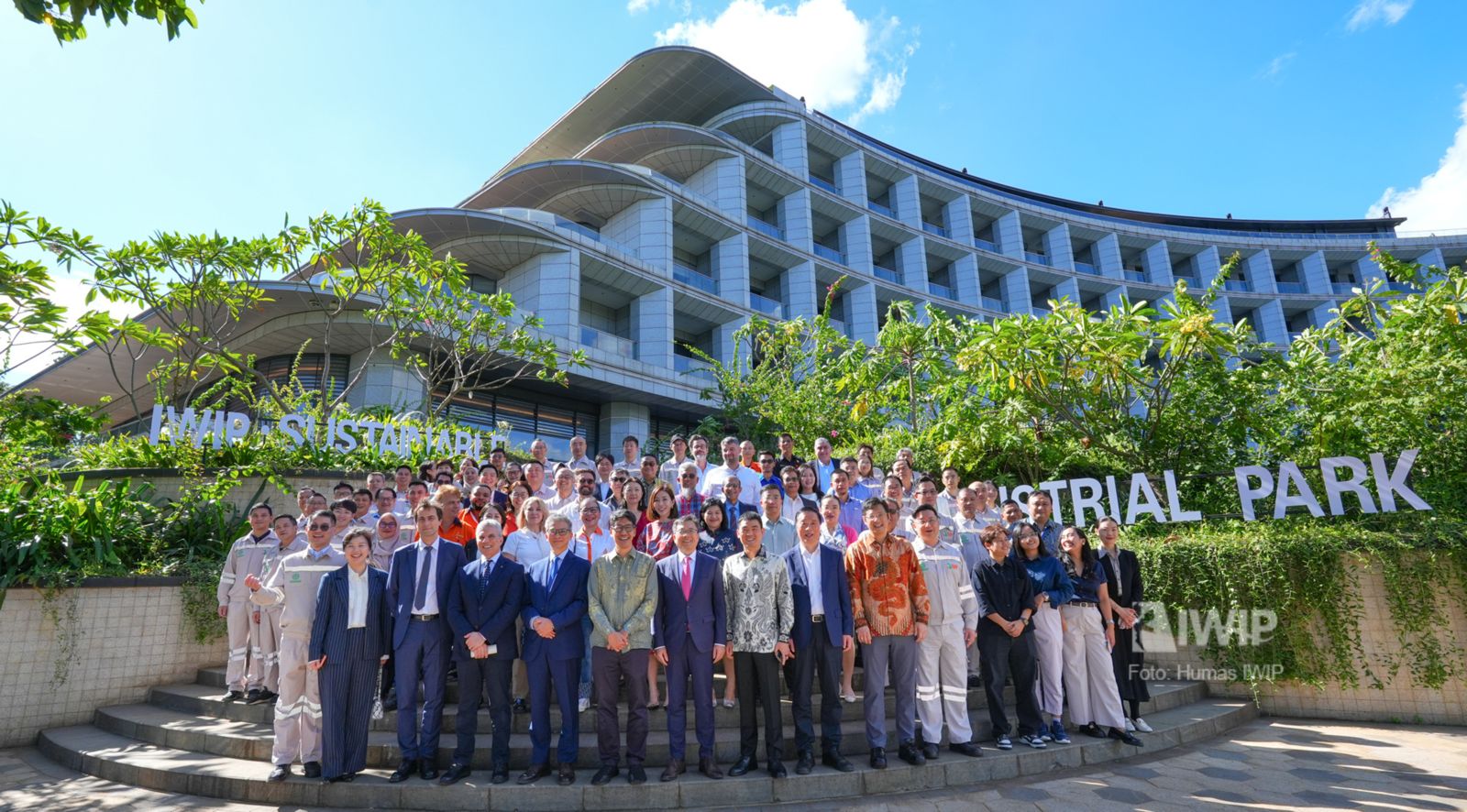
Halmahera Tengah, Indonesia — In a landmark move for the global nickel sector, Indonesia Weda Bay Industrial Park (IWIP) has been officially designated as a pilot area for sustainable industrial development under a strategic collaboration between Tsingshan Holding Group and the United Nations Industrial Development Organization (UNIDO).
The designation stems from the Joint Declaration on the Sustainable Development of the Nickel Industry Chain, signed on 24 November 2025 in Riyadh, Saudi Arabia, during the 21st UNIDO General Conference and Global Industry Summit. The agreement aims to accelerate the adoption of globally recognized Environmental, Social, and Governance (ESG) standards throughout the nickel value chain.
Pilot Project to Elevate Global ESG Best Practices
Under the three-year cooperation framework, Tsingshan, UNIDO, and IWIP will spearhead efforts to raise industrial park management standards while embedding sustainability into core operational practices. Focus areas include resource efficiency, clean production, emissions reduction, and the integration of international ESG benchmarks into day-to-day operations.
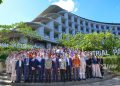
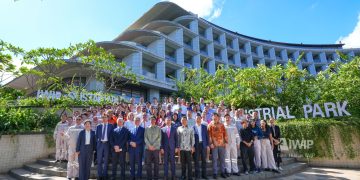
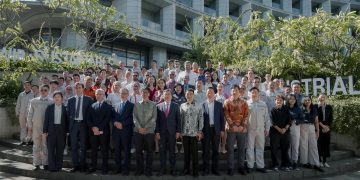
A stakeholder conference titled Tsingshan-UNIDO Collaboration Conference on Industrial Parks for Sustainable Development took place at IWIP on 14–15 January 2026, bringing together government officials, industry associations, and corporate partners to align on governance strategies and sustainability goals.
Government and Industry Perspectives
Indonesia’s Ministry of Industry has welcomed the partnership as a strategic step in advancing national downstreaming policies and reinforcing the country’s position in the global nickel economy. Officials highlighted that the initiative ensures that regional industrial development aligns with environmental protection and delivers tangible benefits to local communities.
Kevin He, President Director of IWIP, emphasized that the pilot designation represents a major milestone in embedding ESG principles into industrial operations and advancing Indonesia’s role as a key player in sustainable nickel production globally.
Four Pillars of Sustainability Implementation
The partnership will implement its agenda through four foundational pillars:
- Circular Economy Advancement – promoting resource reuse and minimizing waste in industrial processes.
- Industrial Skills Development – enhancing workforce capabilities to support sustainable practices.
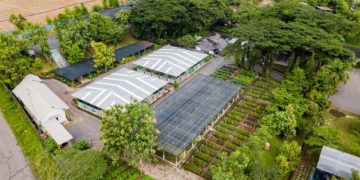
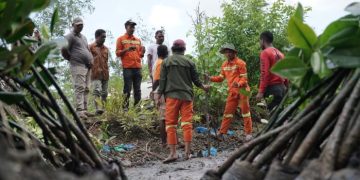
- Community Empowerment – building social inclusion and economic opportunities for local populations.
- Green Supply Chain Management – strengthening environmental performance across the nickel value chain.
This initiative is also integrated into the broader Indonesia-UNIDO Programme for Country Partnership (IUPCP) 2026-2030, supporting industrial transformation, green growth, and the United Nations Sustainable Development Goals (SDGs).