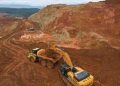











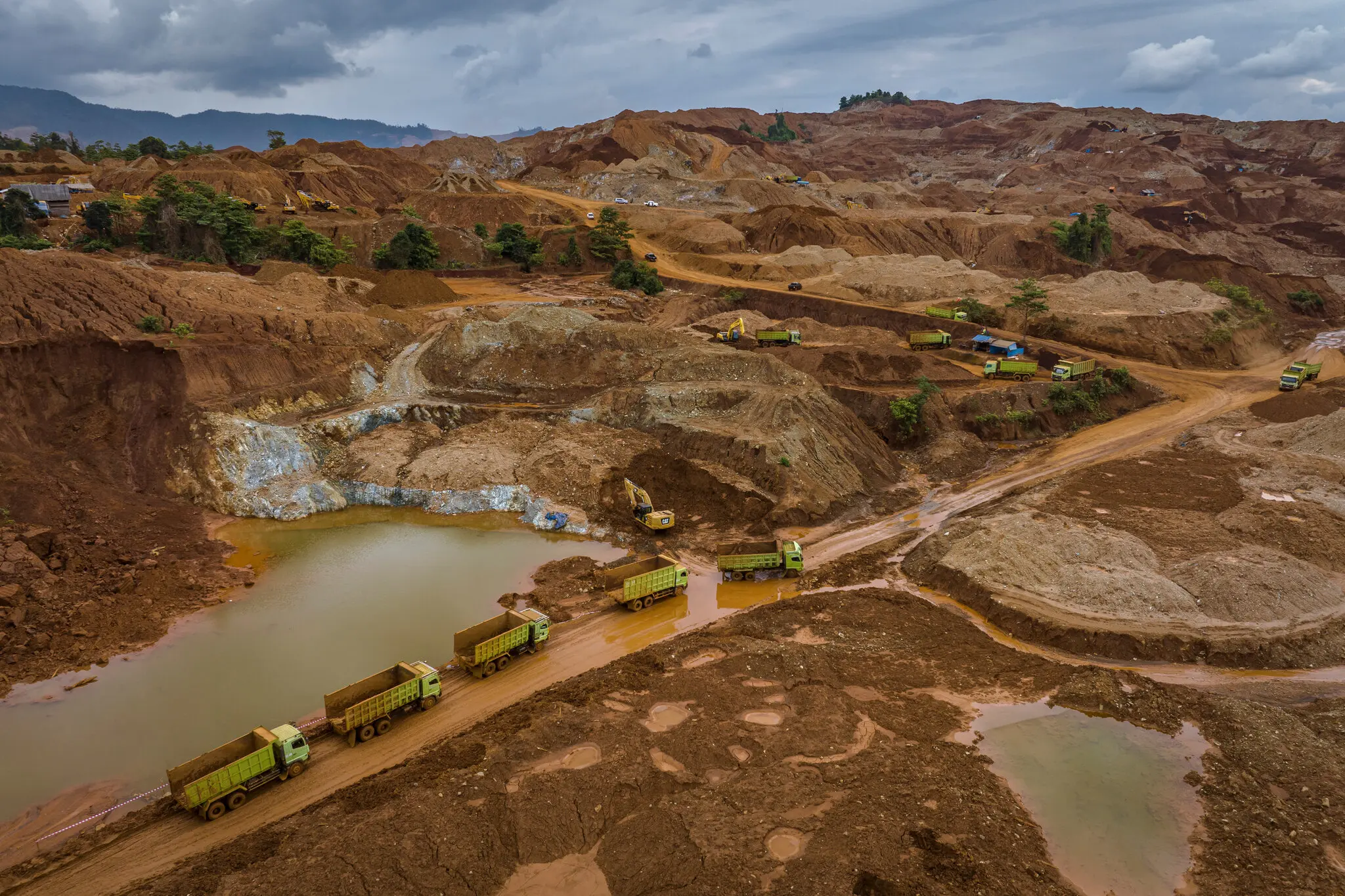
Indonesia’s vast nickel reserves, which are critical to electric vehicle battery production, have become a focal point in the growing geopolitical rivalry between the United States and China. This competition highlights how strategic minerals are reshaping the global clean energy transition.
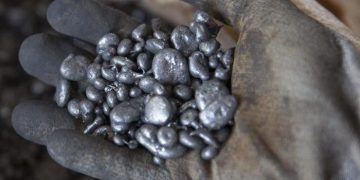
As the world’s largest holder of nickel reserves, Indonesia plays a pivotal role in supplying materials essential for decarbonization. The government has positioned nickel downstream development as a core element of its industrial policy, with the goal of transforming the country into a regional hub for electric vehicle battery and electric vehicle manufacturing.
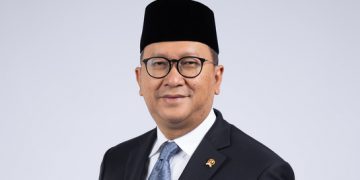
At the center of this strategy is Luhut Binsar Pandjaitan, Coordinating Minister for Maritime Affairs and Investment, who oversees Indonesia’s push to capture greater value from its mineral resources. The policy includes a long-standing ban on nickel ore exports, designed to attract investment into domestic smelting and processing facilities.
Dependence on Chinese Investment
While the export ban has succeeded in attracting more than US$14 billion in investment, much of the funding has come from Chinese companies, which now dominate Indonesia’s nickel processing sector. As a result, Indonesia’s nickel supply chain is closely integrated with China’s industrial ecosystem.
This dependence has complicated Indonesia’s efforts to gain broader access to the United States market, particularly under the U.S. Inflation Reduction Act. The law offers tax incentives for electric vehicles, but only if their components and critical minerals originate from the United States or approved partner countries.
Indonesia has sought a bilateral critical minerals agreement with Washington to qualify as a preferred supplier. However, discussions have stalled amid U.S. concerns regarding Chinese involvement in Indonesia’s nickel industry, as well as labor and environmental standards at certain mining and smelting operations.
Strategic Minerals and Strategic Rivalry
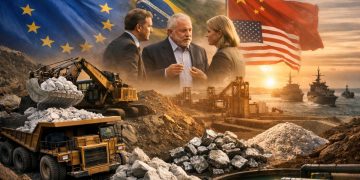
Within the U.S. administration, the issue reflects a broader policy tension. While access to nickel is essential for accelerating the energy transition, national security considerations, particularly efforts to limit China’s technological influence, have taken priority.
Europe has also challenged Indonesia’s nickel export ban through the World Trade Organization, arguing that the policy restricts access to raw materials for European manufacturers. Indonesia maintains that the ban is necessary to correct decades of resource extraction that delivered limited domestic economic benefits.
Since the policy was introduced, Indonesia’s exports of processed nickel products have increased more than tenfold, exceeding US$30 billion annually and strengthening the country’s role in global stainless steel and battery supply chains.
Social and Environmental Pressures
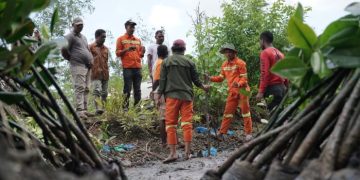
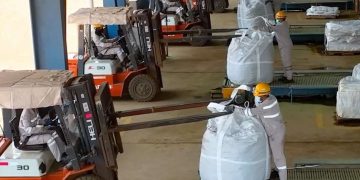
Rapid industrial development has delivered economic benefits but has also created social and environmental challenges, particularly in Sulawesi, where most nickel reserves are located. New smelters have generated employment and infrastructure, yet concerns remain regarding environmental impacts, workplace safety, and wage disparities between local and foreign workers.
These issues have increased scrutiny from Western investors, many of whom are subject to strict environmental, social, and governance requirements.
A Fragmented EV Supply Chain
Analysts caution that without broader trade agreements, the global electric vehicle industry may evolve into parallel supply chains. One would be centered on China-linked production, while the other would align with the United States and its allies.
Despite these constraints, Indonesia remains committed to its downstream industrial strategy, betting that its resource base and domestic market will continue to attract long-term investment.
“S sooner or later, Europe and the United States will need Indonesian nickel,” said energy analyst Putra Adhiguna. “The key question is how they choose to engage.”
As geopolitical competition intensifies, Indonesia’s nickel has become more than a commodity. It is now a strategic asset influencing the future of clean energy, industrial policy, and global economic power.